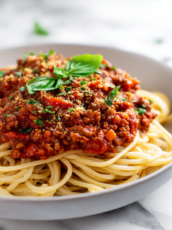
This vegan vegetable pilaf is my nod to those smoky, deeply flavored rice dishes I grew up watching my grandmother make over an open flame. She’d toss in herbs and vegetables that soaked up the fire’s warmth, creating a soulful, almost nostalgic aroma that filled the whole kitchen. I wanted to capture that same depth of flavor without relying on animal products, just honest ingredients and a bit of patience.
Cooking this dish feels like a quiet act of memory and discovery. The way the rice soaks up the spices and the vegetables soften into tender bites—each spoonful brings a little piece of my childhood, but with a modern, plant-based twist. It’s simple, hearty, and perfect for those days when you want comfort that’s easy on the soul and the planet.
This dish is inspired by my childhood memories of watching my grandmother cook rice pilafs over an open flame, infusing each grain with smoky, aromatic goodness. I wanted to recreate that depth of flavor using only plant-based ingredients, turning a simple vegetable pilaf into a soulful, nostalgic experience.
Rediscovering Childhood Flavors
- Cooking this dish takes me back to cozy Sunday afternoons at my grandma’s kitchen, where the air was thick with the aroma of toasted spices and simmering vegetables.
- I love how the vibrant colors of the bell peppers and carrots brighten up the plate, making every spoonful a feast for the eyes and the palate.
- There’s a quiet pride I feel when I serve this pilaf, knowing it’s packed with wholesome ingredients that nourish both body and soul.
- This recipe became my comfort zone during busy weeks, offering a simple, honest meal that never fails to satisfy and revive my spirit.
The inspiration behind this dish
- This dish was born out of a craving for something hearty yet light, a meal that could be thrown together quickly but still carry a punch of flavor. I remember late summer evenings when I’d gather a bunch of vibrant vegetables from the market, feeling that thrill of turning simple ingredients into something nourishing and satisfying. Cooking this pilaf is my way of holding onto those fleeting moments of freshness and warmth, especially now when we all need a bit of grounding.
- Every time I make this, I think of how vegetables can be transformed with just a little patience and the right spices. It’s a reminder that good, honest food doesn’t have to be complicated—just honest ingredients, some gentle heat, and a quiet respect for their natural goodness. This recipe is as much about the process as it is about the final plate—a slow, mindful stirring that turns everyday vegetables into something special.
- story_type
Historical and Cultural Roots
- This dish’s roots trace back to ancient Middle Eastern rice pilafs, traditionally cooked with fragrant spices over open flames.
- Vegan adaptations of vegetable pilafs gained popularity in the 20th century, emphasizing plant-based ingredients as a celebration of seasonal produce.
- The use of toasted spices and pilaf-style cooking methods spread through Mediterranean and Central Asian cuisines, evolving into countless regional variations.
- In some cultures, vegetable pilafs are considered comfort food, symbolizing warmth and community, often shared during festive gatherings.
Ingredient breakdown
- Long-grain rice: I prefer jasmine for its fragrant aroma and fluffy texture, but basmati works beautifully if you want a nuttier edge—just rinse thoroughly to remove excess starch.
- Mixed vegetables: Bright bell peppers, tender carrots, and sweet peas give this pilaf a lively crunch and sweetness—feel free to swap in zucchini or corn for variety.
- Vegetable broth: I use homemade or store-bought for a deep, savory base; if you’re in a pinch, seasoned water with a splash of soy adds a quick umami boost.
- Spices: Cumin and coriander are my go-tos—smell that toasty aroma as they hit the hot oil, but if you prefer a smoky note, a pinch of smoked paprika works great.
- Onion and garlic: Sauté until translucent and fragrant—this is where the real warmth starts, so don’t rush it; if they brown too quickly, turn down the heat.
- Olive oil: I love a good extra virgin for richness, but coconut oil adds a subtle sweetness—both will help toast the spices and coat the grains beautifully.
- Lemon juice: Brightens the whole dish with a zesty punch—add just before serving to keep that fresh, citrusy sparkle alive.
Spotlight on key ingredients
Rice and vegetables:
- Long-grain rice: I prefer jasmine for its fragrant aroma and fluffy texture, but basmati works beautifully if you want a nuttier edge—just rinse thoroughly to remove excess starch.
- Mixed vegetables: Bright bell peppers, tender carrots, and sweet peas give this pilaf a lively crunch and sweetness—feel free to swap in zucchini or corn for variety.
- Vegetable broth: I use homemade or store-bought for a deep, savory base; if you’re in a pinch, seasoned water with a splash of soy adds a quick umami boost.
Spices and citrus:
- Spices: Cumin and coriander are my go-tos—smell that toasty aroma as they hit the hot oil, but if you prefer a smoky note, a pinch of smoked paprika works great.
- Lemon juice: Brightens the whole dish with a zesty punch—add just before serving to keep that fresh, citrusy sparkle alive.
Notes for ingredient swaps
- Grains: Quinoa or millet can replace rice for a nuttier flavor and higher protein content—just rinse well and adjust cooking time.
- Vegetables: Zucchini, snap peas, or kale can stand in for carrots or peppers—think about color, texture, and cooking time to keep balance.
- Broth: Use mushroom or vegetable bouillon dissolved in water if you don’t have store-bought broth—adds umami without the saltiness.
- Spices: Paprika, turmeric, or garam masala can swap for cumin and coriander—each brings a distinctive warmth or earthiness, so start small.
- Oil: Coconut or sesame oil can replace olive oil—different aroma and richness, but still good for toasting spices and grains.
- Acid: Lime juice or apple cider vinegar can replace lemon—adjust quantity to keep brightness, especially if you want a subtler tang.
Equipment & Tools
- Medium pot with lid: Cook the rice and vegetables evenly, trapping steam for absorption.
- Wooden spoon or spatula: Stir ingredients without scratching the pot, ensuring even cooking.
- Measuring cups: Ensure accurate rice and broth quantities for proper texture.
Step-by-step guide to vegetable pilaf
- Equipment & Tools: Use a medium-sized pot with a tight-fitting lid for even cooking. Have a wooden spoon or spatula ready for stirring, and a measuring cup for rice and liquids.
- Heat 2 tbsp olive oil over medium heat (about 160°C/320°F). Once shimmering, add 1 diced onion. Sauté until translucent, about 5 minutes, until fragrant and slightly golden.
- Add 3 minced garlic cloves and 1 tsp cumin; cook for 30 seconds until fragrant, stirring constantly to prevent burning. The spices should toast lightly, releasing aroma.
- Stir in 1 cup rinsed long-grain rice. Cook, stirring frequently, until the rice turns a light golden color and smells nutty, about 2-3 minutes. This toasts the grains and adds depth.
- Pour in 2 cups vegetable broth and add 1 cup diced carrots, 1/2 cup chopped bell peppers, and 1/2 cup peas. Bring to a boil, then reduce heat to low (about 90°C/194°F). Cover tightly.
- Simmer for 15-20 minutes. Check if the rice is tender and the liquid absorbed. If the rice is still chewy or liquid remains, cook a few more minutes, adding a splash of water if needed.
- Remove from heat and let rest, covered, for 5 minutes. The steam will finish cooking the rice evenly and meld flavors. Fluff gently with a fork, mixing in the cooked vegetables.
- Finish with a squeeze of lemon juice and a drizzle of olive oil. Serve warm, garnished with fresh herbs if desired. The rice should be fluffy, fragrant, with tender vegetables and a bright tang.
Let the pilaf rest off heat for 5 minutes. Then, gently fluff with a fork, fold in lemon juice and olive oil, and serve immediately, ensuring a light, airy texture with well-distributed vegetables.
How to Know It’s Done
- The rice is tender and fluffy, with separate grains and a fragrant aroma.
- Vegetables are cooked but still retain a slight crunch, vibrant in color.
- The dish has a balanced seasoning, with a bright lemon scent and toasted spice notes.

Vegan Smoked Vegetable Pilaf
Ingredients
Equipment
Method
- Heat a medium pot over medium heat and add olive oil. Once shimmering, add the diced onion and sauté until translucent and fragrant, about 5 minutes.
- Add the minced garlic, cumin seeds, ground coriander, and smoked paprika to the pot. Toast the spices for about 30 seconds until fragrant, stirring constantly to prevent burning.
- Stir in the rinsed rice, cooking and stirring for 2-3 minutes until the grains turn a light golden color and smell nutty. This toasts the rice and enhances flavor.
- Pour in the vegetable broth, then add the diced carrots, chopped bell peppers, and peas. Bring everything to a boil, then reduce the heat to low, cover tightly, and simmer for 15-20 minutes until the rice is tender and the liquid is absorbed.
- Once cooked, remove the pot from heat and let it rest, covered, for 5 minutes. This helps the rice to finish steaming and become fluffy.
- Fluff the pilaf gently with a fork, then squeeze fresh lemon juice over the top for brightness. Give it a gentle stir to distribute the citrus and spices evenly.
- Serve the pilaf warm, garnished with additional herbs if desired. The grains should be fluffy, aromatic, and slightly smoky, with colorful vegetables evenly mixed throughout.
Pro tips for perfect vegetable pilaf
- Toasty spices: Toast cumin and coriander until fragrant—this releases their essential oils, boosting flavor from the first crackle.
- Rice prep: Rinse rice thoroughly until water runs clear—removes excess starch for fluffier grains with less sticking.
- Veggie crunch: Add vegetables in stages based on cooking time—e.g., carrots first, peppers later—to keep textures lively.
- Lemon last: Add lemon juice off heat or just before serving—preserves bright, fresh citrus aroma and flavor.
- Steam trap: Keep the lid on during simmering—traps steam, ensures even cooking, and prevents drying out.
- Flavor boost: Stir in a splash of soy or miso after cooking—adds umami that elevates the overall punch.
- Rest before serving: Let the pilaf rest for 5 minutes off heat—allows flavors to meld and grains to firm up, making it easier to serve.
Common mistakes and how to fix them
- FORGOT to check rice doneness → Test by fluffing and tasting for tenderness.
- DUMPED too much water → Use the correct ratio of 1 cup rice to 2 cups broth.
- OVER-TORCHED spices → Reduce heat immediately and add a splash of water to cool.
- UNDERSALTED broth → Adjust seasoning after cooking, a pinch of salt enhances flavor.
Fast fixes for common issues
- When rice is mushy, splash in a little lemon juice to brighten the flavor.
- If spices burn and turn bitter, patch with a splash of water and lower heat immediately.
- Splash in soy sauce or miso when reheating to rescue umami and flavor depth.
- Shield overcooked vegetables with a quick drizzle of oil and a pinch of fresh herbs.
- When in doubt, pantry swap canned tomatoes for a burst of acidity and color, adding a vibrant shimmer.
Prep, store, and reheat tips
- Prepare the rice and chop vegetables a day in advance; store separately in airtight containers in the fridge for up to 24 hours. The grains stay fluffy, and veggies keep their bright color.
- Cook the pilaf fully, then let it cool completely before transferring to a sealed container. It lasts in the fridge for 3-4 days; flavors mellow and meld over time, making it even more comforting.
- Reheat gently in a covered skillet over low heat or microwave in short bursts, stirring occasionally. Expect the aroma to warm up, and the grains to regain their fluffy texture. Add a splash of broth or water if it seems dry.
- Freezing is an option—portion into freezer-safe containers and keep for up to 2 months. Thaw overnight in the fridge, then reheat as above, watching for steam and aroma revival.
- Note that reheated flavors may become a tad milder; a squeeze of fresh lemon or a sprinkle of herbs can bring back brightness during serving.
Top questions about vegan vegetable pilaf
1. Can I use different rice types?
Use long-grain rice like jasmine or basmati for fluffiness and aroma. Rinse thoroughly to remove excess starch.
2. Can I substitute the grains?
Yes, swap in grains like quinoa or millet. Adjust cooking time and liquid ratios accordingly.
3. What other vegetables work well?
Add vegetables like zucchini, corn, or kale to vary textures and flavors. Keep in mind cooking times to prevent overcooking.
4. Can I use water instead of broth?
Use vegetable broth for depth, but seasoned water or miso dissolved in water can work in a pinch.
5. How do I toast spices properly?
Toast spices like cumin and coriander until fragrant for maximum flavor. Be careful not to burn them.
6. When should I add citrus?
Add lemon juice or vinegar at the end to brighten flavors. Fresh citrus keeps the dish lively and fresh.
7. How do I know when it’s done?
Cook the pilaf covered on low heat until rice is tender and liquid is absorbed, about 15-20 minutes.
8. How do I reheat leftovers?
Reheat gently in a skillet or microwave, adding a splash of broth or water if it’s dry. Fluff before serving.
9. What if my spices burn?
Avoid burning spices by reducing heat immediately if they start to smoke or turn dark.
10. Can I prep this in advance?
Prepare ingredients ahead: chop vegetables and rinse rice the day before. Store separately in fridge for up to 24 hours.
This dish isn’t just about nourishing the body; it’s a quiet act of memory and discovery that connects me to simple, honest ingredients. Cooking it reminds me that comfort can be found in the humble, in the way rice absorbs spices and vegetables soften into tender bites.
Sharing this pilaf feels like passing down a piece of my childhood, a warm, fragrant hug in a bowl. It’s a reminder that good, plant-based food can be soulful and grounding, especially in times when we crave familiarity and a little bit of peace.

Hi, I’m Harper Evans. Welcome to Crushing These Flavors, my home on the internet where curiosity, comfort, and a deep love for food come together. I’m a passionate food blogger who believes great meals are built through attention, practice, and a willingness to experiment.