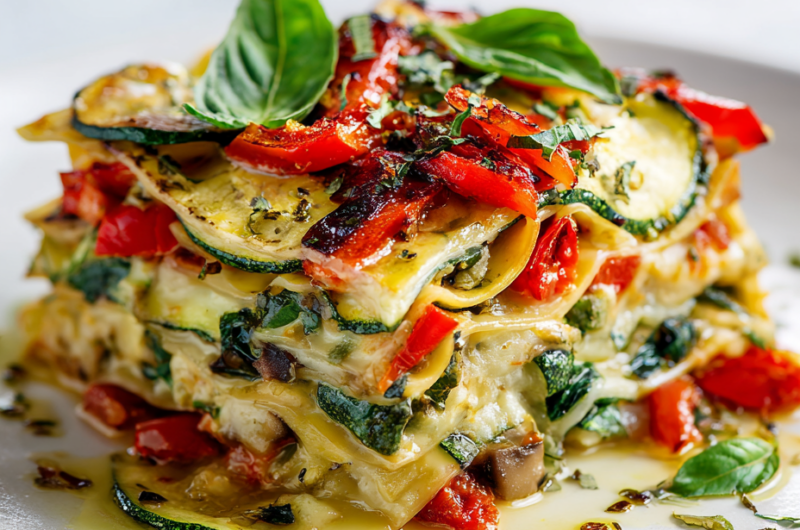
Vegan lasagna often gets a bad rap for being simple or lacking depth, but I’ve found that layering flavors thoughtfully can change that entirely. This isn’t just about swapping cheese for cashew cream; it’s about building a rich, complex dish that surprises even the most skeptical eaters. The secret lies in slow simmering sauces and choosing ingredients that complement rather than compete.
I’ve spent years tinkering with different vegetable combinations, trying to mimic that gooey, savory feel of traditional lasagna without any dairy or meat. What’s funny is how much more satisfying it feels when you focus on the details—like gently caramelized onions or a smoky tomato sauce—that deepen each bite. It’s a reminder that plant-based cooking isn’t just healthier; it’s a chance to get creative with layers and textures.
This recipe became a staple during a time when I was craving comfort food that also aligned with my values. It’s a dish that invites slow cooking and patience—perfect for weekends when you’re not in a rush. Every time I make it, I’m reminded that vegan food doesn’t have to be plain or boring; it can be hearty, layered, and deeply satisfying.
Focusing on the overlooked art of layering flavors in vegan lasagna, this recipe emphasizes how thoughtful ingredient choices and slow simmering can create a depth of taste that rivals traditional versions, proving that plant-based dishes can be both complex and satisfying.
The story behind this recipe
This vegan lasagna recipe was born out of a quiet weekend experiment in my kitchen. I wanted to create something hearty and satisfying, without relying on cheese or heavy cream. As I layered in roasted vegetables and a smoky tomato sauce, I realized I was onto something that could stand up to traditional lasagna, but with a plant-based twist. It’s become a go-to dish when I need comfort without compromise, reminding me that good food is about balance and patience in layering flavors.
Ingredient breakdown
- Tomato sauce: I love simmering ripe tomatoes with garlic until the smell is rich and slightly smoky. Feel free to add a dash of balsamic for sweetness, or skip the sugar if your tomatoes are particularly sweet already.
- Cashew cream: Blending soaked cashews until silky creates a luxurious, neutral base. If you want a tangy twist, add a splash of lemon juice—just watch it doesn’t overpower the nuttiness.
- Spinach: I sauté fresh spinach until just wilted, releasing a faint earthy aroma. For a different texture, try kale, but cook it a bit longer to soften those tougher leaves.
- Zucchini slices: I lightly salt zucchini slices and let them sit for 10 minutes to draw out moisture, preventing a soggy lasagna. For a firmer bite, skip salting, but be prepared for a bit more water in the layers.
- Vegan cheese: I opt for store-bought shredded vegan cheese for convenience, but a homemade nut-based cheese can add a richer, more complex flavor. Just melt it gently to avoid rubbery texture.
- Herbs: Fresh basil and oregano brighten up the sauce and filling with a fragrant, lively aroma. If using dried herbs, add them early to unlock their full flavor, but be cautious—less is more.
- Olive oil: I drizzle a good-quality, fruity olive oil over the assembled lasagna before baking; it adds a glossy finish and a subtle peppery note that makes all the difference.
Spotlight on key ingredients
Cashews:
- Tomato sauce: I love simmering ripe tomatoes with garlic until the smell is rich and slightly smoky. Feel free to add a dash of balsamic for sweetness, or skip the sugar if your tomatoes are particularly sweet already.
- Cashew cream: Blending soaked cashews until silky creates a luxurious, neutral base. If you want a tangy twist, add a splash of lemon juice—just watch it doesn’t overpower the nuttiness.
Zucchini:
- Spinach: I sauté fresh spinach until just wilted, releasing a faint earthy aroma. For a different texture, try kale, but cook it a bit longer to soften those tougher leaves.
- Zucchini slices: I lightly salt zucchini slices and let them sit for 10 minutes to draw out moisture, preventing a soggy lasagna. For a firmer bite, skip salting, but be prepared for a bit more water in the layers.
Notes for ingredient swaps
- Dairy-Free: Swap cashew cream for coconut yogurt for a subtly sweet, tropical note, but expect a slightly thinner texture.
- Gluten-Free: Use gluten-free lasagna noodles or thinly sliced zucchini to keep it friendly for gluten sensitivities.
- Oil-Free: Replace olive oil with vegetable broth or water for sautéing vegetables—your layers might be a bit less rich, but still tasty.
- Tomato Variations: Cherry or heirloom tomatoes can be roasted and pureed for a richer, more concentrated sauce—just watch for seeds and skins.
- Herb Boost: Fresh thyme or rosemary can replace basil and oregano, adding a different aromatic punch that’s more woodsy or floral.
- Cheese Alternative: Nutritional yeast mixed into the cashew cream adds cheesy umami, or try a store-bought vegan cheese shreds if you prefer convenience.
- Vegetable Mix: Swap spinach for kale or Swiss chard, but cook longer to soften and release their earthy flavors—these greens add a hearty bite.
Equipment & Tools
- 9×13 inch baking dish: To assemble and bake the lasagna layers.
- sharp knife: To slice vegetables and serve clean portions.
- large skillet: To sauté vegetables and build flavor.
- blender: To create smooth cashew cream and blend sauces.
- spatula: To spread sauces and layer ingredients smoothly.
Step-by-step guide to vegan lasagna
- Gather your equipment: a 9×13 inch baking dish, a sharp knife, a large skillet, a blender, and a spatula. Preheat your oven to 180°C (350°F).
- Prepare the vegetable filling: thinly slice zucchini and eggplant; set aside. Sauté chopped onions and garlic in olive oil until fragrant, about 5 minutes. Add chopped mushrooms and cook until they release moisture and brown slightly, another 7 minutes.
- Make the tomato sauce: in a saucepan, simmer crushed tomatoes with a splash of olive oil, salt, pepper, and a pinch of smoked paprika for 20 minutes. Stir occasionally, smell should be rich and slightly smoky.
- Prepare cashew cream: drain soaked cashews, blend with water, lemon juice, and a pinch of salt until silky smooth. Taste and adjust lemon for brightness. Set aside.
- Assemble the lasagna: spread a thin layer of tomato sauce on the bottom of the dish. Layer lasagna noodles, then a layer of sautéed vegetables, followed by dollops of cashew cream. Repeat layers until ingredients are used, finishing with sauce and a sprinkle of vegan cheese.
- Bake uncovered: place in the oven for 35-40 minutes. The top should be golden, bubbling, and fragrant. Check edges for crust and cheese melt.
- Rest and serve: let the lasagna sit for 10 minutes after baking. This allows the layers to settle. Slice and serve with fresh basil or extra herbs.
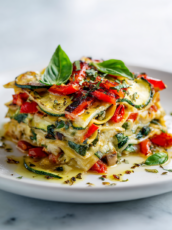
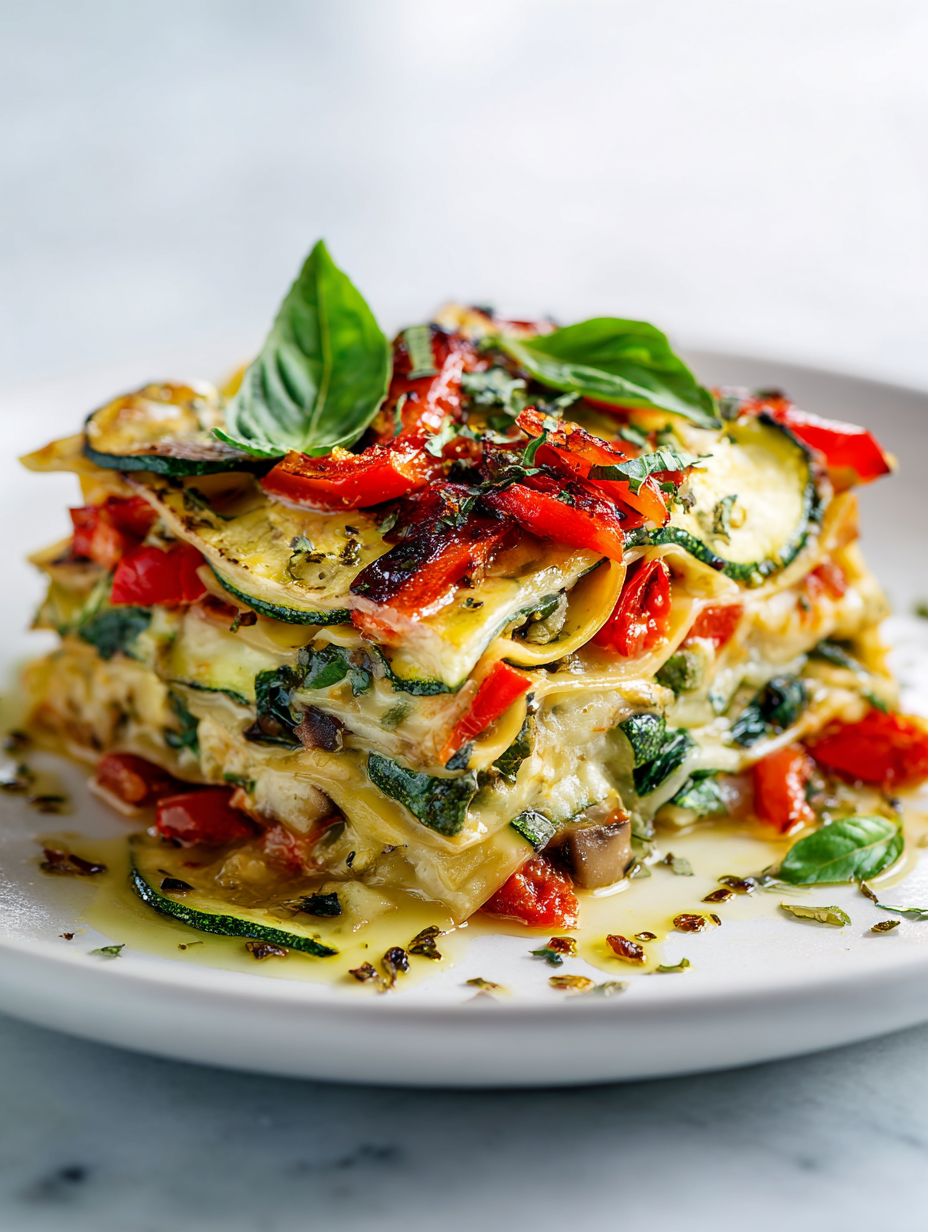
- Final presentation: cut through with a sharp knife, ensuring clean slices. The layers should hold, with a slightly crispy top and gooey, flavorful interior.
Let the lasagna rest for 10 minutes out of the oven, uncovered. Slice with a sharp knife for clean edges. Serve warm, garnished with fresh herbs if desired.
How to Know It’s Done
- The top is golden and bubbling, indicating proper bake.
- Noodles are tender but not mushy—test with a fork at the center.
- The edges are slightly crispy, with a fragrant, smoky aroma.
Vegan Layered Vegetable Lasagna
Ingredients
Equipment
Method
- Start by blending the soaked cashews with a splash of water, a squeeze of lemon, and a pinch of salt until silky smooth. Set aside to use as the creamy layer.
- Chop the ripe tomatoes and simmer them with minced garlic, a tablespoon of olive oil, salt, and herbs in a saucepan over medium heat. Let it cook gently for about 20 minutes until thickened and fragrant, stirring occasionally.
- While the sauce cooks, heat a skillet with a tablespoon of olive oil over medium heat. Add chopped onion and sauté until translucent and fragrant, about 5 minutes.
- Add the chopped spinach to the skillet and cook just until wilted, about 2 minutes. Remove from heat and set aside.
- Lightly salt the zucchini slices and let them sit for 10 minutes to draw out excess moisture. Pat dry with a paper towel to prevent sogginess during baking.
- Cook the lasagna noodles according to package instructions until al dente. Drain and set aside.
- To assemble, spread a thin layer of tomato sauce at the bottom of your baking dish. Layer noodles over the sauce, then add a layer of sautéed vegetables, followed by dollops of cashew cream and a sprinkle of vegan cheese. Repeat the layers until all ingredients are used, finishing with sauce and cheese on top.
- Drizzle a little olive oil over the top and bake in a preheated oven at 180°C (350°F) for about 35-40 minutes, until the top is golden and bubbling.
- Remove from oven and let rest for 10 minutes. This helps the layers set and makes slicing easier.
- Slice into portions with a sharp knife, garnish with fresh basil and oregano, and serve warm. Enjoy the hearty, layered textures and rich flavors!
Pro tips for perfect vegan lasagna
- Bolded mini-head: Use a non-stick pan → Ensures even browning and easy flipping of delicate zucchini slices.
- Bolded mini-head: Layer sauces generously → Keeps each bite moist and flavorful, preventing dryness in the layers.
- Bolded mini-head: Let the lasagna rest → Resting for at least 10 minutes helps the layers set for cleaner slices.
- Bolded mini-head: Taste and adjust seasoning → Always taste the tomato sauce before layering; a pinch of salt or sugar can balance acidity.
- Bolded mini-head: Cover with foil if over-browning → Prevents the top from burning while the inside finishes baking.
- Bolded mini-head: Add a splash of pasta water → If the sauce seems too thick, a little starchy water helps it spread smoothly.
- Bolded mini-head: Use fresh herbs at the end → Brightens flavors and adds a fresh aroma right before serving.
Common mistakes and how to fix them
- FORGOT to drain cashews → Rinse thoroughly and soak overnight for creaminess.
- DUMPED in too much water → Use minimal liquid in blender for thick cashew cream.
- OVER-TORCHED the edges → Cover loosely with foil if edges brown too fast.
- MISSED layering properly → Ensure even layers for consistent baking and flavor.
Quick fixes and pantry swaps
- When sauce is too thin → Splash in a little tomato paste to thicken and intensify flavor.
- If lasagna is watery → Patch with a sprinkle of breadcrumbs or crushed crackers on top before baking.
- Splash burnt edges → Shield with foil and continue baking, smell should turn from smoky to savory.
- DUMPED in too much salt → Rinse the layers quickly or balance with a bit of sweetness in the sauce.
- When cheese isn’t melting → Cover with foil and bake a few extra minutes for a gooey, bubbly top.
Prep, store, and reheat tips
- Assemble the lasagna a day ahead: layer all ingredients, cover tightly, and refrigerate for up to 24 hours. The flavors meld and deepen overnight, making the bake even more flavorful.
- Bake straight from the fridge: add 10-15 minutes to the baking time if cold. The top should be bubbling and golden, with the layers set but still moist inside.
- Store leftovers in an airtight container: refrigerate for 3-4 days. Expect the texture to soften slightly, with flavors mellowing but still satisfying.
- Reheat gently: cover with foil and warm in a 180°C (350°F) oven for about 20-25 minutes. Check that it’s heated through—smell for that inviting, smoky aroma, and look for bubbling edges.
- Freezing option: cut into portions, wrap tightly in foil and plastic wrap, and freeze for up to 2 months. Thaw overnight in the fridge before reheating, which will revive the creamy, layered goodness.
Top questions about vegan lasagna
1. Can I make vegan cheese from scratch for this lasagna?
Use a blend of firm tofu and nutritional yeast for a cheesy flavor without dairy—rich and slightly nutty, it melts nicely when baked.
2. Is this dish gluten-free?
Yes, you can substitute zucchini slices for pasta noodles or use gluten-free lasagna sheets, but watch for extra moisture and adjust baking time.
3. How can I boost the flavor of the sauce?
Adding a splash of balsamic vinegar to the tomato sauce enhances depth and adds a subtle sweetness, balancing acidity beautifully.
4. My cashew cream is grainy, what do I do?
If cashew cream feels too thick, thin it with a bit more water or lemon juice; if it’s grainy, blend longer or strain through a fine sieve.
5. How do I know when the lasagna is done?
Bake the lasagna uncovered until the top is golden and bubbling, about 35-40 minutes at 180°C (350°F). A gentle jiggle should show slight wobble in the center.
6. How long can I keep leftovers?
Store leftovers in an airtight container in the fridge for up to 4 days. Reheat covered in the oven at 180°C (350°F) until warmed through and fragrant.
7. Why does my lasagna fall apart when I cut it?
To prevent sogginess, let the lasagna rest for 10 minutes after baking. This helps the layers set and makes slicing cleaner.
8. Can I use dried herbs instead of fresh?
Use fresh basil and oregano for a bright, aromatic finish. Dried herbs added early in cooking develop deeper flavor, but fresh herbs are best at the end.
9. How can I add smoky flavor without smoked ingredients?
For a smoky flavor, add a pinch of smoked paprika to the sauce or sprinkle smoked sea salt on top before baking.
10. The top is over-browning, what now?
If the top browns too quickly, loosely cover with foil and continue baking. It will prevent over-browning while the inside finishes cooking.
Making this vegan lasagna is a bit of a ritual for me, a slow layering of flavors that feels almost meditative. It’s one of those dishes that tastes even better the next day, when the layers have truly melded together. Every time I serve it, I’m reminded that plant-based comfort food can be rich, satisfying, and deeply personal.
In a world that’s rushing more than ever, this recipe slows you down—inviting patience and a bit of creative freedom in the kitchen. It’s a reminder that good food isn’t about perfection but about the care you put into each layer. And honestly, the smell of it baking—garlic, herbs, and roasted vegetables—really is a small, everyday celebration.

Hi, I’m Harper Evans. Welcome to Crushing These Flavors, my home on the internet where curiosity, comfort, and a deep love for food come together. I’m a passionate food blogger who believes great meals are built through attention, practice, and a willingness to experiment.