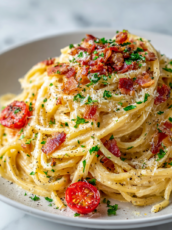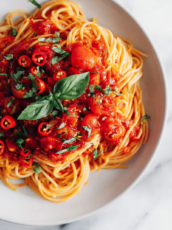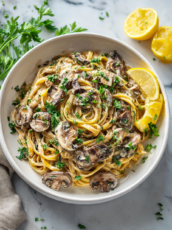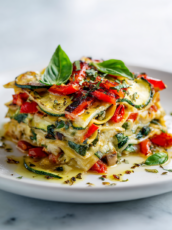
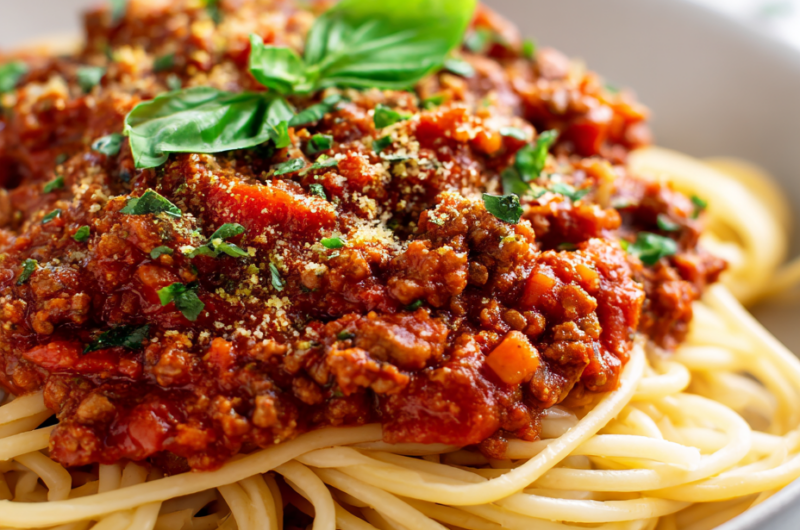
Making a vegan Bolognese is more than just a meatless sauce; it’s a quiet act of mindfulness. As I chop mushrooms and simmer tomatoes, I remember how cooking can be a form of meditation, a way to slow down and reconnect with traditional comfort foods in a kinder, plant-based way.
This recipe isn’t about perfect technique or fuss, but about embracing the messy, fragrant process. The smell of garlic and herbs filling the kitchen feels grounding, a reminder that nourishing ourselves doesn’t have to come from a package or a quick fix. It’s a tactile, honest effort that rewards with a deep, savory flavor.
Focusing on how making a rich, savory vegan Bolognese can be a meditative, mindful kitchen ritual that reconnects us to traditional comforting flavors without reliance on meat.
The story behind this recipe
- This recipe sprouted from a weekend spent rummaging through my grandma’s old cookbooks. Seeing her handwritten notes about slow-simmering sauces made me realize how much love and patience go into a good Bolognese, even a vegan version. It’s a way to keep that comforting, hearty flavor alive without relying on meat, but still feeling like a special treat.
- I remember the first time I made it, the kitchen filled with the rich smell of caramelized onions, garlic, and tomato. It felt like a small act of rebellion—proving that plant-based can be just as soulful and satisfying. Now, it’s become a little ritual whenever I need a grounding, honest meal that honors tradition but makes room for change.
- heading: Short personal story or inspiration behind the recipe
Key Ingredients & Tips
- Mushrooms: I love the umami richness they add, making the sauce feel meaty and satisfying. Use a mix of cremini and shiitake for depth, and chop them finely so they blend right in.
- Tomatoes: I opt for canned crushed tomatoes when I want that deep, slightly sweet base. Fresh tomatoes are great in summer, but they can be a bit watery—consider roasting them first for extra flavor.
- Carrot: I finely grate a carrot for natural sweetness and a hint of earthiness that balances the acidity. Skip it if you prefer a richer, less sweet sauce, but I find it brightens the whole dish.
- Onion & Garlic: These are the foundation. I sauté until translucent and fragrant—about 5 minutes—until the kitchen smells warm and inviting. Don’t rush this step; it’s where the flavor develops.
- Herbs & Spices: I lean on dried oregano and thyme, added early to deepen the aroma. Fresh basil stirred in at the end lifts the sauce with a bright, lemony note—don’t forget to taste and adjust.
- Olive Oil: I use a good drizzle for sautéing—rich and peppery. If you want a lighter version, reduce the oil, but I love the way it adds a glossy sheen and a subtle fruitiness.
- Plant-Based Milk or Broth: I sometimes add a splash of almond milk or veggie broth to loosen the sauce slightly and add a velvety texture. It’s optional but can make the sauce feel more cohesive and smooth.
Spotlight on key ingredients
Mushrooms:
- I love the umami richness they add, making the sauce feel meaty and satisfying. Use a mix of cremini and shiitake for depth, and chop them finely so they blend right in.
- Tomatoes: I opt for canned crushed tomatoes when I want that deep, slightly sweet base. Fresh tomatoes are great in summer, but they can be a bit watery—consider roasting them first for extra flavor.
- Carrot: I finely grate a carrot for natural sweetness and a hint of earthiness that balances the acidity. Skip it if you prefer a richer, less sweet sauce, but I find it brightens the whole dish.
Tomatoes:
- I prefer canned crushed for their rich, deep flavor, but fresh, ripe summer tomatoes can work if you roast them first.
- Carrot: I grate it finely for natural sweetness—if you want a more intense, savory flavor, skip it, but it helps brighten the sauce.
- Herbs: Dried oregano and thyme deepen the aroma early on; fresh basil at the end lifts with a lemon-bright note and freshness.
Notes for ingredient swaps
- Fresh Mushrooms: I love the meaty texture they provide, especially cremini or shiitake. Swap for portobello or even eggplant—just chop small. The flavor stays earthy and umami-rich.
- Canned Tomatoes: I go for crushed or pureed for convenience, but fresh ripe tomatoes work beautifully in summer. Roast them first to boost their sweetness and add smoky depth.
- Carrots: I finely grate them for natural sweetness and a bright flavor. Skip if you want a more intense, less sweet sauce, but I find they balance acidity well.
- Onions & Garlic: These form the base. If you’re short on time, use pre-minced garlic and onion powder—just reduce the quantity and adjust seasoning later.
- Olive Oil: I prefer a good extra virgin for richness, but you can use a neutral oil like canola or avocado oil. It won’t have quite the same fruity aroma, but it works.
- Plant-Based Milk or Broth: Almond milk or light veggie broth can loosen the sauce and add creaminess. If avoiding nuts, try oat milk for a neutral, slightly sweet note.
- Herbs & Spices: Dried oregano and thyme are my go-tos. Fresh basil at the end really brightens the dish, so keep some handy or substitute with a splash of pesto for a quick fix.
Equipment & Tools
- Large skillet or wide saucepan: To cook the sauce evenly and allow for evaporation.
- Wooden spoon: For stirring and scraping the bottom of the pan.
- Sharp knife: To chop vegetables finely and safely.
- Cutting board: To prepare all ingredients on a stable surface.
Step-by-step guide to vegan Bolognese
- Gather your equipment: a large skillet or wide saucepan, a wooden spoon, a sharp knife, and a cutting board. Preheat the pan over medium heat, around 160°C (320°F).
- Chop 1 onion finely. Mince 3 cloves of garlic. Finely dice 2 carrots and 2 celery stalks. Measure out 200g mushrooms, chopped small.
- Add 2 tbsp olive oil to the hot pan. Sauté onions and garlic until translucent and fragrant, about 5 minutes. They should smell warm and inviting.
- Toss in carrots, celery, and mushrooms. Cook, stirring often, until the mushrooms release their juices and everything starts to caramelize, about 8-10 minutes. The mixture should turn a deep, golden brown.
- Stir in 1 can (400g) crushed tomatoes, 1 tsp dried oregano, and 1 tsp dried thyme. Lower the heat to simmer, around 90°C (194°F). Let it cook uncovered for 20-30 minutes, stirring occasionally.
- Taste and adjust seasoning: add salt, pepper, and a pinch of sugar if needed. If the sauce thickens too much, splash in a little veggie broth or plant-based milk to loosen it up and enhance creaminess.
- Once thickened and flavorful, turn off the heat. Rest the sauce for about 5 minutes to let the flavors settle and deepen.
- Serve hot over your favorite pasta, garnished with fresh basil or a drizzle of good olive oil. Enjoy the rich, savory aroma filling your kitchen.
Let the sauce rest off heat for 5 minutes. Taste and adjust seasoning if needed. Serve immediately over hot pasta, garnished with fresh herbs or a drizzle of olive oil for richness.
How to Know It’s Done
- The sauce should be deep, rich red with a fragrant aroma of garlic and herbs.
- It should thicken slightly but still be saucy enough to coat pasta without clumping.
- The mushrooms should be well caramelized and integrated, not slimy or raw.
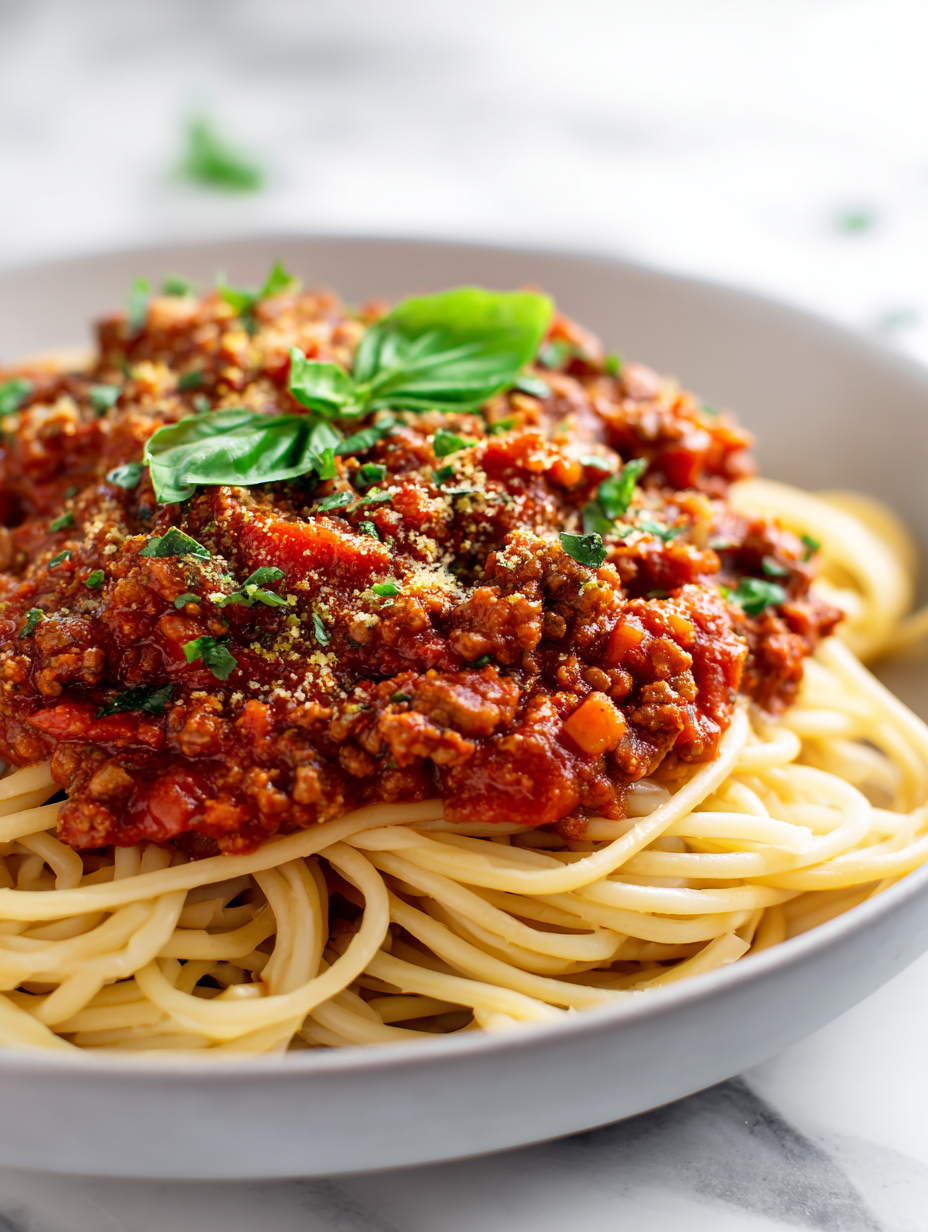
Vegan Bolognese
Ingredients
Equipment
Method
- Heat a large skillet over medium heat and add a good drizzle of olive oil. When the oil shimmers and starts to ripple, add the finely chopped onion and minced garlic. Sauté until fragrant and translucent, about 5 minutes, until the kitchen fills with a warm, savory aroma.
- Add the grated carrots, diced celery, and chopped mushrooms to the skillet. Stir well and cook, stirring occasionally, until the vegetables release their juices and begin to caramelize, turning a deep golden brown, about 8-10 minutes. This step develops the rich, umami flavor of the sauce.
- Pour in the crushed tomatoes and sprinkle in the dried oregano and thyme. Stir everything together, ensuring the vegetables are coated evenly with the tomato base. Reduce the heat to low and let the sauce simmer gently, uncovered, for 20-30 minutes, stirring occasionally, until it thickens and deepens in color.
- Taste the sauce and season with salt and pepper as needed. If you prefer a smoother texture, you can blend it briefly with an immersion blender, but I like it chunky and hearty. Stir in freshly chopped basil just before serving for a bright, aromatic finish.
- Once the sauce has thickened and the flavors have melded, turn off the heat. Serve the vibrant, fragrant Bolognese sauce over your favorite cooked pasta, garnished with extra basil if desired. Enjoy the comforting aroma and savory depth of this plant-based classic.
Notes
Pro tips for vegan Bolognese
- Use a wide pan for even heat distribution and better caramelization of mushrooms.
- Sauté garlic and onions until fragrant but not browned to avoid bitterness.
- Add a pinch of sugar if the tomatoes taste too acidic; it balances the sauce beautifully.
- Simmer gently; a rapid boil can break down delicate flavors and cause splattering.
- Use fresh herbs at the end for a bright, aromatic lift that contrasts with the deep simmered flavors.
- Stir frequently during the last 10 minutes to prevent sticking and encourage even flavor development.
- Taste and adjust seasoning after resting; flavors deepen and meld during the final minutes.
Common mistakes and how to fix them
- FORGOT to taste early? Add salt gradually, then adjust after simmering for balanced flavor.
- DUMPED the sauce prematurely? Let it simmer uncovered until thick and deep in color.
- OVER-TORCHED the garlic? Lower heat immediately and add a splash of water to cool it down.
- USED too much oil? Reduce the amount next time, but remember it adds richness and sheen.
Quick fixes and pantry swaps
- When sauce is too thick, splash in hot water and stir gently until smooth.
- If sauce is bland, add a splash of soy sauce or balsamic vinegar for depth.
- Splash a little lemon juice when the tomato flavor feels dull or flat.
- Patch over a burnt garlic pan by deglazing with a bit of vegetable broth, then restart.
- Shield simmering sauce with a lid if it splatters too much, keeping flavors intact.
Prep, store, and reheat tips
- You can chop all vegetables and prepare the mushroom mixture a day ahead. Keep in an airtight container in the fridge—flavors meld and intensify overnight.
- The sauce keeps well in the fridge for up to 3 days. Reheat gently on the stove, stirring occasionally, until steaming and fragrant. Expect a deeper, more integrated flavor after resting.
- For longer storage, freeze the cooled sauce in airtight containers for up to 3 months. Thaw overnight in the fridge before reheating. The texture may become slightly more rustic upon thawing.
- Reheat on the stove over low to medium heat—around 160°C (320°F)—stirring frequently. Add a splash of veggie broth or plant-based milk to loosen if it thickens too much. It should shimmer and smell rich, not dry or burnt.
Top questions about vegan Bolognese
1. Can I use other vegetables instead of mushrooms?
Using mushrooms gives a meaty, umami flavor that mimics beef. Finely chop them so they blend seamlessly into the sauce.
2. What kind of tomatoes work best for this sauce?
Canned crushed tomatoes provide a rich, consistent base. Fresh summer tomatoes work great if roasted beforehand for added sweetness.
3. Should I add liquid to adjust the sauce consistency?
A splash of plant-based milk or broth can loosen the sauce if it thickens too much and adds a smooth, velvety texture.
4. How do I get the sauce to thicken properly?
Simmer the sauce uncovered to allow excess moisture to evaporate, deepening the flavor and thickening the sauce.
5. When should I add fresh herbs?
Add herbs like basil and oregano early for aroma, but stir fresh basil in at the end to preserve its bright, lemony scent.
6. How long should I sauté the aromatics?
Avoid rushing the sauté step. Cooking onions and garlic until fragrant and translucent develops a warm, savory base.
7. How can I reduce acidity in the sauce?
If the sauce tastes too acidic, stir in a small pinch of sugar to balance the flavors without dulling the brightness.
8. What equipment is best for this recipe?
Use a wide, shallow pan for even heat distribution and better caramelization of the vegetables and mushrooms.
9. Can I prepare this sauce in advance?
Make the sauce a day ahead to allow flavors to deepen. Reheat gently and stir to restore its rich, fragrant consistency.
10. How do I fix a thickened or dry sauce?
If the sauce is too thick after reheating, splash in hot water or broth and stir until it shimmers and loosens up.
This vegan Bolognese isn’t just a weeknight dinner; it’s a reminder that comfort can be simple and soulful without meat. The slow simmer, the rich aroma, and that deep, savory flavor feel like a quiet victory in the kitchen.
Making it reminds me that nourishing ourselves is an act of care, and sometimes the best meals come from honest, unpolished moments of cooking. It’s a dish that keeps me grounded, especially when I need a hearty, plant-based hug.

Hi, I’m Harper Evans. Welcome to Crushing These Flavors, my home on the internet where curiosity, comfort, and a deep love for food come together. I’m a passionate food blogger who believes great meals are built through attention, practice, and a willingness to experiment.