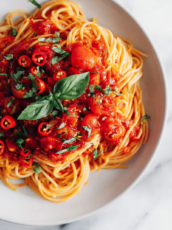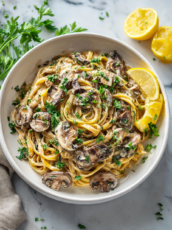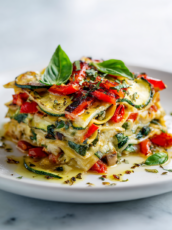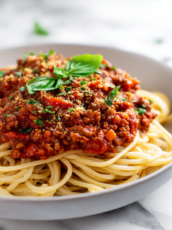
Lentil Bolognese might not be what you first expect when you think of a classic Italian pasta sauce. The secret is in how the lentils break down during cooking, creating a texture that’s almost meaty, rich, and deeply satisfying. It’s a revelation for anyone who loves hearty comfort food but wants to keep it plant-based.
I stumbled on this recipe during a busy week when I needed something filling but didn’t want to rely on meat. What started as a simple swap has turned into a favorite, especially because it’s so forgiving and adaptable. Plus, the aroma of slow-simmered lentils with garlic and tomatoes makes the kitchen smell like a warm hug.
This dish reminds me that you don’t need meat to get that umami punch. The lentils soak up all the flavors, turning into little savory bites that mimic the richness of a traditional Bolognese. It’s honest, straightforward cooking that feels like a small victory in every bowl.
Focusing on the surprising richness and umami depth lentils can develop, making a hearty, satisfying Bolognese that rivals traditional meat sauces, perfect for vegetarians or anyone wanting more plant-based comfort.
The savory magic of lentils
- I love how this dish turned my weekly dinner routine upside down, proving that plant-based can be deeply satisfying.
- There’s a quiet pride I feel when I serve this and realize no one misses meat at all.
- Cooking this recipe always takes me back to my grandmother’s kitchen, where slow, honest flavors ruled.
- The aroma of simmering lentils with garlic and herbs somehow makes the whole house feel warmer.
- It’s oddly comforting to know that a humble bunch of lentils can deliver such a rich, complex sauce.
The inspiration behind this dish
I first made this lentil Bolognese on a rainy Sunday when I was out of ground meat but craving something hearty. Watching those tiny lentils break down and soak up the tomato and herbs reminded me of slow Sunday stews my family used to make—simple, honest, and full of flavor. It’s become a go-to meal not just because it’s easy, but because it somehow makes me feel connected to those quiet kitchen moments of my childhood, where the best meals were born from humble ingredients simmered with care.
Historical and Cultural Roots
- Lentil Bolognese originated as a clever way to mimic meat sauces in traditional Italian cooking, using the humble lentil as a stand-in for ground beef.
- During post-war rationing in Italy, cooks often turned to lentils and other legumes to stretch ingredients and create hearty, satisfying meals.
- This dish gained popularity among vegetarians and health-conscious eaters in the late 20th century, emphasizing plant-based comfort foods.
- The rich umami flavor of lentils has been appreciated since ancient times, making them a natural, affordable substitute in classic recipes.
Key ingredients and tips
- Lentils: I prefer brown or green for their hearty texture and earthy flavor, but red lentils break down faster and give a smoother sauce—try both to see which you like better.
- Tomato paste: It adds a concentrated umami punch and deepens the sauce’s richness. If you don’t have any, a splash of Worcestershire sauce (vegan if needed) can mimic that savory boost.
- Carrots and celery: These classic soffritto staples bring sweetness and depth. Grate them finely if you want a more integrated, less chunky sauce.
- Garlic: I love the pungent aroma that hits as soon as it hits the pan—don’t skimp on it. If you want a milder, sweeter flavor, roast the garlic beforehand.
- Olive oil: Use good-quality extra virgin—its grassy, peppery notes really shine during sautéing. If you’re out, a neutral oil works but loses some of that luscious flavor.
- Herbs: Fresh basil and oregano are my go-tos, but dried works in a pinch. Add dried herbs early to let them bloom in the simmer, fresh at the end for brightness.
- Red wine (optional): It lends a smoky, fruity layer. If you skip it, a splash of balsamic vinegar at the end adds a similar depth.
Spotlight on key ingredients
Lentils:
- I love how brown or green lentils hold their shape but soften into a meaty texture, absorbing flavors deeply, with an earthy aroma that intensifies as they cook.
- They tend to break down gradually, creating that satisfying, almost ground-beef consistency—be patient during simmering for the best texture.
Tomato paste:
- It adds a concentrated, umami-rich depth and a velvety richness to the sauce, turning bright and slightly sweet as it cooks down.
- Watch for that shiny, deep red color—if it darkens too much or sticks, stir in a splash of water or broth to loosen it up.
Notes for ingredient swaps
- Dairy-Free: Skip cheese or use nutritional yeast for a cheesy umami boost—less creamy, but still flavorful.
- Gluten-Free: Serve over gluten-free pasta or sautéed zucchini noodles—maintains heartiness without wheat.
- Vegan: Omit Parmesan; add a splash of soy sauce or tamari for depth—keeps the umami rich without animal products.
- Oil Alternatives: Use avocado oil or light sesame oil—different flavor profiles, but good for high heat.
- Tomato Paste: Substitute with sun-dried tomato paste for a concentrated, smoky flavor—adds a deeper, roasted note.
- Herbs: Fresh thyme or rosemary can replace basil and oregano—offers a different aromatic punch, especially in winter.
- Wine: Use non-alcoholic red wine or a splash of balsamic vinegar—keeps the depth, skips the alcohol.
Equipment & Tools
- Heavy-bottomed pan: Ensures even heat and prevents burning.
- Wooden spoon: Gentle stirring without scratching the pan.
- Sharp knife: Chopping vegetables cleanly and quickly.
- Measuring cups and spoons: Accurate ingredient portioning.
Step-by-step guide to Lentil Bolognese
- Gather all your equipment: a large heavy-bottomed pan (for even heat), a wooden spoon (for gentle stirring), and a sharp knife (for chopping).
- Heat 2 tablespoons of olive oil over medium heat (about 160°C/320°F). Add 1 finely chopped onion, cook until translucent, about 5 minutes, until it smells sweet and slightly caramelized.
- Add 2 minced garlic cloves, cook for another minute until fragrant, being careful not to burn. If garlic starts to turn brown fast, turn down the heat.
- Stir in 1 cup of diced carrots and 1 cup of chopped celery. Cook, stirring often, until they soften slightly, about 8 minutes. You want a gentle sizzle, not a crackle.
- Add 1 cup of rinsed lentils (preferably brown or green). Cook for 2-3 minutes, stirring to coat them in the oils and aromatics, till they smell nutty.
- Pour in 1 cup of vegetable broth, along with 2 tablespoons of tomato paste. Stir well, scraping up any browned bits from the pan. Let it bubble gently for 2 minutes.
- Add 1 can (14 oz) of crushed tomatoes, season with a teaspoon of dried oregano, salt, and pepper to taste. Bring to a simmer, then lower the heat to medium-low (about 80°C/176°F).
- Cover loosely and simmer for 30-40 minutes. Stir occasionally. The lentils should break down, creating a thick, rich sauce. Check for doneness—if lentils aren’t soft enough, simmer longer, adding a splash of water if it thickens too much.
- Taste and adjust seasoning. If the sauce is too tangy, a pinch of sugar can balance it. For extra depth, stir in a splash of red wine or balsamic vinegar in the last 5 minutes.
- Remove from heat. Let it rest, uncovered, for 5 minutes to allow flavors to settle. Meanwhile, cook your pasta to al dente according to package instructions.
- Serve the lentil Bolognese over your cooked pasta, topped with fresh basil or grated cheese if desired. Finish with a drizzle of olive oil and a crack of black pepper.
Let the sauce rest for 5 minutes off heat to deepen flavors. Toss with freshly cooked pasta, garnish with herbs, and serve warm.
How to Know It’s Done
- Lentils should be tender and breaking down, creating a thick sauce.
- The sauce should smell earthy, with a tomato and garlic aroma filling the kitchen.
- The sauce should cling to the pasta without being too runny or dry.
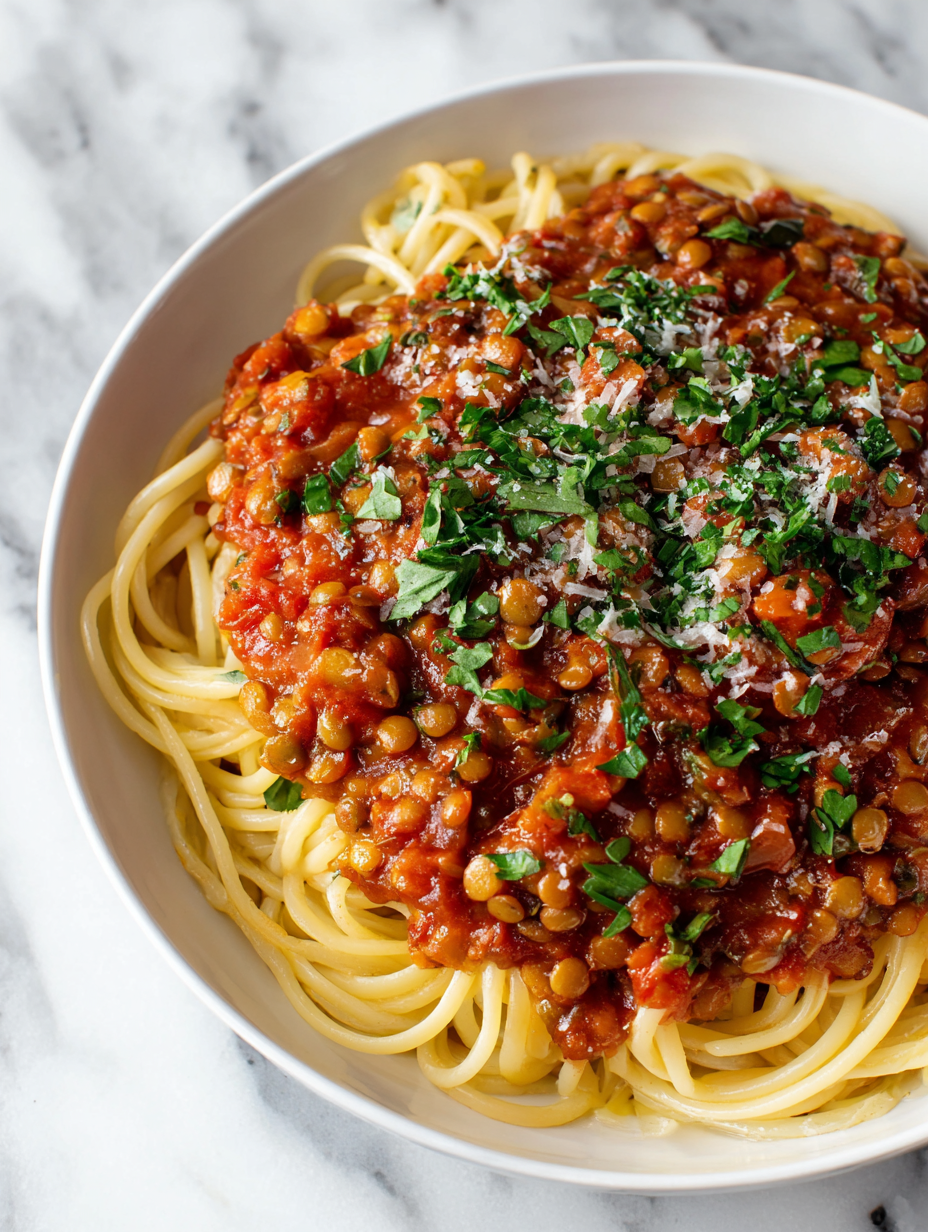
Lentil Bolognese
Ingredients
Equipment
Method
- Heat olive oil in a heavy-bottomed pan over medium heat until it shimmers and you hear a gentle sizzle.
- Add the finely chopped onion and cook, stirring frequently, until it becomes translucent and fragrant, about 5 minutes.
- Stir in the minced garlic and cook for about 1 minute until it releases a pungent aroma, being careful not to burn it.
- Add the diced carrots and chopped celery, stirring well. Cook until they soften slightly and develop a sweet aroma, about 8 minutes.
- Pour in the rinsed lentils and stir to coat them in the aromatics and oil, cooking for 2-3 minutes until fragrant.
- Add the vegetable broth and tomato paste, stirring to combine. Let the mixture bubble gently for 2 minutes to meld flavors.
- Stir in the crushed tomatoes and dried oregano, then bring to a gentle simmer. Lower the heat to medium-low, partially cover, and cook for 30-40 minutes, stirring occasionally.
- Check the lentils; they should be tender and starting to break down, creating a thick, rich sauce. Adjust seasoning with salt and pepper as needed.
- Once done, remove from heat and let the sauce rest for about 5 minutes to deepen the flavors.
- Cook your favorite pasta until al dente according to package instructions, then drain.
- Serve the lentil Bolognese over the cooked pasta, garnished with fresh basil leaves. Drizzle with a little olive oil and enjoy this hearty, plant-based dish.
Pro tips for Lentil Bolognese
- Use a heavy-bottomed pan to promote even heat and avoid hot spots.
- Sauté vegetables on medium heat until they develop a slight caramelization—this enhances sweetness and flavor.
- Add lentils early and cook them slowly; this allows them to break down and create that rich, meaty texture.
- Taste and adjust acidity with a splash of vinegar or a pinch of sugar to balance the tomato’s brightness.
- Let the sauce rest off heat for at least 5 minutes—flavors meld and deepen during this time.
- Use fresh herbs at the end for vibrant aroma and flavor, avoiding wilted, dull herbs in the sauce.
Common mistakes and how to fix them
- FORGOT to adjust seasoning? Taste and add salt or acid to fix balance.
- DUMPED the sauce? Reheat gently and stir in a splash of broth to loosen.
- OVER-TORCHED the lentils? Cover the pan and simmer with extra liquid to soften.
- SKIPPED the resting step? Let it sit for 5 minutes to deepen flavors and meld ingredients.
Quick fixes and pantry swaps
- If sauce is too thick, splash in hot water and stir till silky.
- When lentils are undercooked, simmer longer with a lid ajar for gentle steam.
- Splash soy sauce or miso if sauce lacks umami richness.
- Patch over-salted sauce with a raw potato slice, then discard after absorbing salt.
- Shield delicate herbs from direct heat to preserve their fresh aroma and color.
Prep, store, and reheat tips
- Prep the sauce ingredients (chopping vegetables, measuring lentils and liquids) a day ahead to save time and intensify flavors.
- Store the cooked lentil Bolognese in an airtight container in the fridge for up to 3 days; the flavors deepen overnight, becoming more robust.
- For longer storage, freeze in portions for up to 3 months. Thaw overnight in the fridge for best results.
- Reheat gently over low heat, stirring occasionally. The sauce thickens as it cools, so add a splash of water or broth to loosen it up and restore its silky texture.
- During reheating, smell for a warm, earthy aroma and check the texture — it should be tender and the sauce should coat the pasta nicely without clumping.
Top questions about Lentil Bolognese
1. Can I use red lentils for this recipe?
Use brown or green lentils for a hearty, chewy texture that holds up well during simmering. Red lentils break down faster, creating a smoother sauce, so choose based on your texture preference.
2. How long should I cook the lentils?
Yes, reduce the cooking time to about 20-25 minutes since red lentils cook faster and will turn mushy if overcooked. Keep an eye on the texture.
3. How do I prevent the sauce from sticking?
Stir the sauce frequently during simmering to prevent sticking and ensure even cooking. If it thickens too much, add a splash of broth or water to loosen it.
4. How can I fix bland flavor?
Adjust seasoning by tasting and adding more salt, a splash of vinegar, or a pinch of sugar to balance acidity and enhance flavor.
5. When should I add herbs?
Add fresh basil or oregano at the end of cooking for vibrant aroma and flavor. Dried herbs should be added early to develop during simmering.
6. How do I reheat the sauce?
Reheat leftovers gently over low heat, stirring occasionally. Add a little water or broth if the sauce thickens or gets clumpy.
7. What can I serve with it?
This dish pairs beautifully with pasta, zucchini noodles, or even polenta. It’s versatile enough to serve over any grain or veggie base.
8. Can I use lower quality ingredients?
Using high-quality olive oil and fresh herbs makes a noticeable difference in flavor, so invest in good ingredients if possible.
9. What are good substitutes for tomato paste?
If you don’t have tomato paste, a small spoonful of sun-dried tomato paste or a splash of Worcestershire sauce can add depth.
10. Can I freeze leftovers?
Yes, you can freeze cooked lentil Bolognese in airtight containers for up to 3 months. Thaw overnight and reheat gently for best flavor.
This lentil Bolognese feels like a quiet triumph, especially when the aroma fills the kitchen with that deep, savory scent. It’s a reminder that simple ingredients can carry a whole lot of richness and comfort, without any fuss. Sometimes, the best meals are born from humble beginnings, simmered with patience and care.
In a world that’s constantly rushing, this dish offers a moment to slow down and appreciate honest, straightforward flavors. It’s a reminder that good food doesn’t have to be complicated to be deeply satisfying. A bowl of this, and I’m reminded why I keep coming back to these kind of recipes—simple, honest, and true.

Hi, I’m Harper Evans. Welcome to Crushing These Flavors, my home on the internet where curiosity, comfort, and a deep love for food come together. I’m a passionate food blogger who believes great meals are built through attention, practice, and a willingness to experiment.