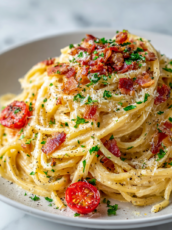
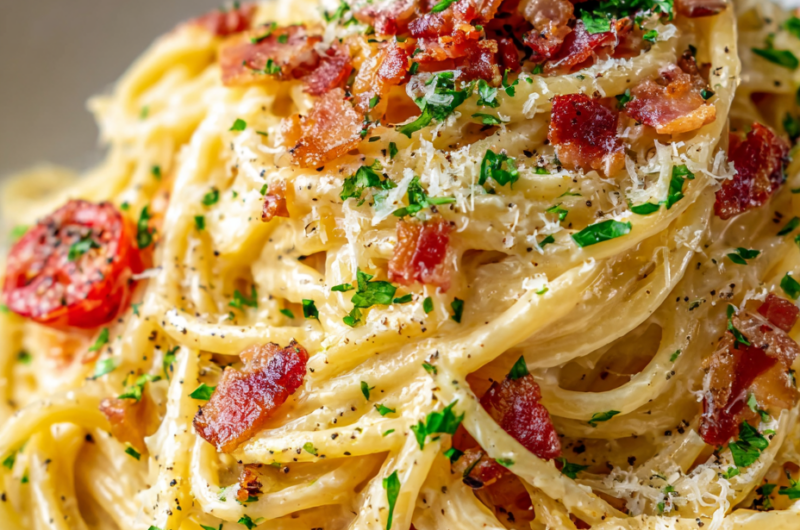
Vegan carbonara is one of those dishes that sneaks up on you with its richness, despite no eggs or cheese involved. I first stumbled on this version when I was craving that creamy, smoky pasta but wanted to keep it plant-based. The secret is in the sauce—made with cashews and a splash of smoky liquid, it mimics the traditional indulgence without the dairy.
What I love about making vegan carbonara is how forgiving it is. You can tweak the smoky flavor, make it creamier, or add more pepper until it hits just right. It’s a cozy, satisfying plate that feels indulgent but doesn’t weigh you down—perfect for a weeknight dinner or when you want something familiar but fresh.
Focusing on the unexpected creaminess of cashew-based sauce, this vegan carbonara explores how to mimic traditional richness without eggs or cheese, turning a simple pasta dish into a comfort food that surprises even meat-eaters.
The story behind this recipe
- I was experimenting with plant-based sauces one rainy afternoon, trying to replicate that smoky, creamy comfort of classic carbonara. The idea of using cashews to mimic eggs and cheese came from a failed vegan cheese attempt that turned surprisingly luscious when blended with smoked paprika and a splash of liquid smoke.
- One evening, I threw everything together without much thought, just craving something hearty and familiar, but in a new, cruelty-free way. The result was so rich and satisfying, I couldn’t stop thinking about how this dish could surprise my skeptical friends who usually stick to traditional pasta. It became my go-to for cozy dinners that feel indulgent but stay honest to my plant-based goals.
- heading
- story_type
Ingredient breakdown: key components
- Cashews: I love how they turn silky when blended, giving the sauce a rich, cheesy texture that coats the pasta beautifully. You might want to soak them a bit longer if your blender struggles—makes a smoother, more indulgent sauce.
- Nutritional Yeast: Adds that umami kick I crave—think cheesy but with a nutty depth. If you’re out, try a pinch of miso paste for a similar savory boost, though it’s a bit saltier.
- Liquid Smoke: This is my secret to smoky flavor without bacon. Start small; it’s potent. I add a few drops, then taste—better to build than overwhelm the dish with a smoky punch.
- Pasta: I prefer a good-quality spaghetti or linguine. Cook until just al dente—firm but tender, with a slight chew that holds the sauce well. Under or overcooking can throw off the texture balance.
- Black Pepper: Always freshly cracked, I love the sharp bite it adds. Grind generously just before serving for that punch of spice and aroma—makes all the difference.
- Olive Oil: Use a decent extra virgin—its fruity, peppery notes lift the sauce. Drizzle a little extra on top right before serving for a glossy finish and added flavor depth.
- Salt: I adjust at the end, tasting for balance. Remember, the pasta water is salty—don’t forget to save some for the sauce to help everything come together.
Spotlight on key ingredients
Cashews:
- I love how they turn silky when blended, giving the sauce a rich, cheesy texture that coats the pasta beautifully. You might want to soak them a bit longer if your blender struggles—makes a smoother, more indulgent sauce.
- Nutritional Yeast: Adds that umami kick I crave—think cheesy but with a nutty depth. If you’re out, try a pinch of miso paste for a similar savory boost, though it’s a bit saltier.
Liquid Smoke:
- This is my secret to smoky flavor without bacon. Start small; it’s potent. I add a few drops, then taste—better to build than overwhelm the dish with a smoky punch.
- ingredient
- Liquid Smoke
Notes for ingredient swaps
- Dairy-Free: Cashew cream mimics cheese’s richness, but you could try blended silken tofu for a lighter, less nutty finish.
- Smoky Flavor: Liquid smoke is key; swap with smoked paprika or chipotle powder for a subtler, earthy heat.
- Pasta: Gluten-free spaghetti works well here—just cook until al dente, as the texture can vary slightly.
- Nutritional Yeast: Nutritional yeast adds umami, but a splash of soy sauce or miso paste can provide a similar savory depth.
- Olive Oil: Use toasted sesame oil for a nuttier flavor profile, or avocado oil for a milder, buttery note.
- Garlic: Roasted garlic offers a sweeter, milder tone compared to raw—adjust quantity based on your preference.
- Salt: Sea salt flakes add a subtle crunch and clean flavor—fine-tune to your taste, especially if using salted pasta water.
Equipment & Tools
- Large pot: Boil pasta efficiently in salted water.
- Skillet or frying pan: Warm the sauce and combine with pasta.
- Blender: Create a smooth, creamy cashew sauce.
- Measuring cups and spoons: Ensure accurate ingredient amounts.
- Cooking spoon or tongs: Stir and toss pasta and sauce evenly.
Step-by-step guide to vegan carbonara
- Gather all equipment: a large pot for boiling, a skillet for sauce, a blender for the cashew cream, and a spoon for stirring. Make sure your blender is ready for silky smooth sauce.
- Cook pasta: Bring a large pot of salted water (about 1 tbsp salt per liter) to a boil at 100°C / 212°F. Cook spaghetti until just al dente, about 8 minutes. Drain, reserving a cup of pasta water.
- Prepare cashew sauce: Soak 1 cup of cashews in hot water for 15 minutes. Drain and add to blender with ¾ cup vegetable broth, 2 tbsp nutritional yeast, 1 tsp smoked paprika, 1 tsp liquid smoke, salt, and pepper. Blend until ultra-smooth, about 1 minute.
- Heat skillet: Place over medium heat, add 1 tbsp olive oil. When shimmering, add 2 cloves minced garlic. Cook until fragrant, about 30 seconds, then add cashew sauce. Warm gently, stirring regularly, for 2-3 minutes.
- Combine pasta and sauce: Toss cooked pasta into the skillet with the sauce. Add reserved pasta water a splash at a time until sauce reaches your preferred creamy consistency. Should coat noodles smoothly, glossy and rich.
- Adjust seasoning: Taste and add more salt, pepper, or smoked paprika if needed. If sauce thickens too much while resting, stir in a little more hot water or broth to loosen.
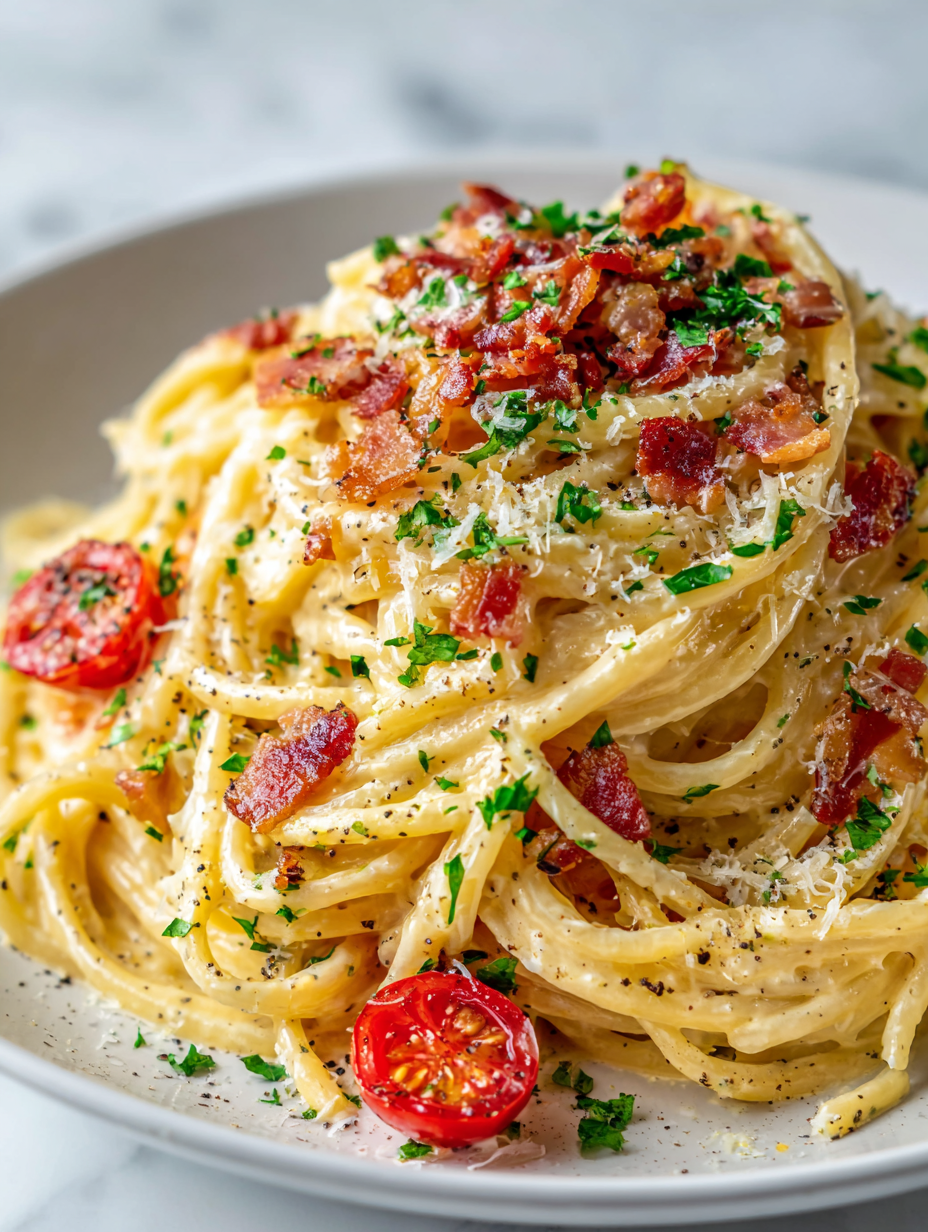
- Finish and plate: Transfer to serving bowls. Garnish with extra cracked black pepper, a drizzle of olive oil, or chopped fresh herbs like parsley or basil.
- Rest briefly: Let the pasta sit for 2 minutes off heat to allow flavors to meld. Serve immediately for best flavor and texture.
Let the pasta sit off heat for 2 minutes to settle and meld flavors. Serve hot, with optional toppings like extra pepper or herbs for a fresh touch.
How to Know It’s Done
- Sauce is silky and coats the pasta evenly, with a smoky aroma.
- Pasta is al dente, with a slight chew and no starchy water pooling.
- Color is creamy with a slight sheen, not gloopy or dry.
Vegan Carbonara
Ingredients
Equipment
Method
- Drain the soaked cashews and add them to a blender along with vegetable broth, nutritional yeast, smoked paprika, liquid smoke, and a pinch of salt. Blend until completely smooth and creamy, about 1 minute, until the sauce is silky and free of gritty bits.
- Bring a large pot of salted water to a boil, then add your pasta and cook until just al dente, about 8 minutes. Drain the pasta, reserving a cup of the starchy cooking water.
- While the pasta cooks, heat the olive oil in a skillet over medium heat. Once shimmering, add the minced garlic and cook until fragrant, about 30 seconds, until it releases a warm aroma.
- Pour the cashew sauce into the skillet with garlic and gently warm it over medium-low heat, stirring occasionally. Let it bubble softly for 2-3 minutes until heated through and slightly thickened, filling your kitchen with a smoky, cheesy scent.
- Add the cooked pasta to the skillet with the sauce. Toss everything together using tongs or a spoon, coating the noodles evenly with the creamy sauce. If the mixture seems too thick, splash in some of the reserved pasta water, a little at a time, until the sauce is silky and clings to the pasta.
- Season to taste with freshly cracked black pepper and additional salt if needed. Toss again to distribute the seasonings evenly.
- Transfer the finished pasta to serving bowls. Finish with a drizzle of olive oil and a sprinkle of extra cracked black pepper or chopped herbs if desired. Serve immediately while hot and creamy.
Pro tips for vegan carbonara
- Bold Flavors: Use smoked paprika in the sauce to deepen the smoky essence without overpowering. Start small and build up for balance.
- Creamy Texture: Soak cashews for at least 15 minutes or longer if your blender struggles—this ensures a silky, luxurious sauce.
- Timing is Key: Cook pasta until just al dente—firm but tender—so it doesn’t turn mushy when mixed with the sauce.
- Flavor Boost: Add a splash of reserved pasta water to loosen the sauce if it gets too thick; it also helps the sauce cling better.
- Taste as You Go: Adjust seasoning at the end—more pepper, salt, or smoked paprika—until it hits that perfect smoky, cheesy note.
- Finish with Flair: Drizzle a little extra olive oil or sprinkle fresh herbs on top just before serving for a glossy, vibrant finish.
- Smoky Punch: Use liquid smoke sparingly—start with a few drops, then taste—it’s potent and easy to overdo.
Common mistakes and how to fix them
- FORGOT to taste before serving → Always taste to adjust seasoning properly.
- DUMPED sauce before blending → Blend until completely smooth, no gritty bits.
- OVER-TORCHED garlic → Cook garlic gently until fragrant, not browned or burnt.
- MISSED soaking cashews → Soak for at least 15 minutes for creamier texture.
Quick fixes and pantry swaps
- When sauce is too thick, splash in hot water and stir until silky.
- If smoky flavor is weak, add a few more drops of liquid smoke—smell it out.
- Splash a little olive oil if pasta sticks or feels dry after reheating.
- Patch over under-seasoned sauce with extra salt or pepper, then taste again.
- Shield burnt garlic by removing from heat immediately and starting with fresh garlic.
Prep, store, and reheat tips
- Prepare the cashew sauce ahead by blending and storing in an airtight container for up to 2 days. The flavor develops richer overnight, and the sauce remains silky when whisked again before use.
- Cook the pasta al dente, drain, and toss with a little olive oil to prevent sticking. Store in an airtight container in the fridge for up to 24 hours; reheat with a splash of water or broth to loosen.
- Refrigerate leftovers in an airtight container for up to 3 days. The sauce may thicken; stir in hot water or broth to restore creaminess and check for a fresh aroma before serving.
- Reheat gently in a skillet over low heat, stirring constantly. The sauce will become creamy again with a slight shimmer and fragrant smoky notes. Avoid overheating to prevent separation or dryness.
Top questions about vegan carbonara
1. Can I use other nuts instead of cashews?
Cashews provide a rich, creamy base that mimics cheese and eggs. Soak them for at least 15 minutes to ensure smooth blending.
2. Is there a substitute for liquid smoke?
Liquid smoke adds a smoky flavor without bacon. Use sparingly—start with a few drops and taste before adding more.
3. Can I omit nutritional yeast?
Yes, nutritional yeast gives a cheesy umami flavor, but miso paste can also work as a savory alternative.
4. How do I know when the pasta is ready?
Cook the pasta until just al dente, about 8 minutes for spaghetti. Overcooking will make it mushy when mixed with the sauce.
5. How do I get the sauce to stick better?
Add reserved pasta water gradually to loosen the sauce until it coats the noodles smoothly, with a glossy finish.
6. My sauce is gritty; how can I fix it?
Use a high-speed blender for the cashew sauce to achieve a silky, smooth texture that mimics traditional creamy sauces.
7. Should I grind the pepper coarsely or finely?
Freshly cracked black pepper adds a sharp, aromatic bite. Grind generously just before serving for the best flavor.
8. Can I reheat vegan carbonara?
Reheat leftovers gently in a skillet with a splash of water or broth, stirring until the sauce is creamy again and fragrant.
9. How do I store leftovers?
Storing the sauce separately from the pasta keeps it fresh. Reheat and toss together just before serving to prevent sogginess.
10. How do I fix bland vegan carbonara?
Adjust seasonings at the end—add more pepper, salt, or smoked paprika to perfect the smoky, cheesy flavor profile.
This vegan carbonara isn’t just a plant-based twist; it’s a reminder that comfort food can be rich and satisfying without compromise. The smoky cashew sauce, in particular, makes every bite feel indulgent, even when you’re keeping it wholesome. It’s a dish I come back to when I need something familiar but with a fresh, honest twist.
Sharing this recipe feels like passing along a secret—one that surprises and delights, no matter if you’re vegan or not. Sometimes the simplest ingredients come together in the most unexpected, memorable ways. It’s one of those dishes I’ll keep making, season after season, craving that perfect balance of creamy, smoky, and just the right amount of pepper.

Hi, I’m Harper Evans. Welcome to Crushing These Flavors, my home on the internet where curiosity, comfort, and a deep love for food come together. I’m a passionate food blogger who believes great meals are built through attention, practice, and a willingness to experiment.